Rebuilding Social Capital in Remote Teams: A Critical Examination

Rebuilding Social Capital in Remote Teams: A Critical Examination
Rebuilding social capital in remote teams requires a nuanced understanding of the underlying issues driving its collapse. The conventional approach of relying on casual social interactions is insufficient, as it fails to address the root causes of the problem.
Deep Dive
📌 Social Capital Collapse: The erosion of social capital in remote teams is often characterized by the suppression of negative feedback, increased physical and emotional disengagement, and the rationalization of unfulfilled commitments. This creates a culture of mistrust, where team members are reluctant to share their concerns or ideas.
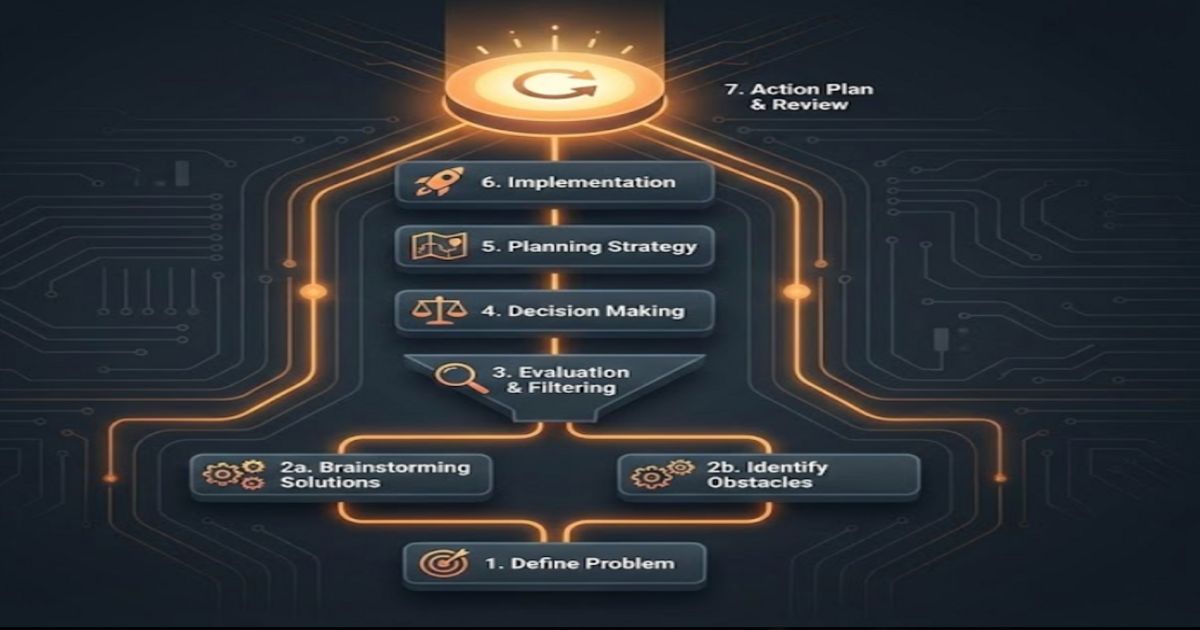
The proposed solution involves identifying measurable indicators of social capital collapse and implementing intentional leadership and team efforts to address these issues. This can be achieved by fostering a culture of psychological safety, open communication, and collaborative decision-making, much like the process of achieving $$Homeostasis$$ in complex systems.
📌 Transparency and Accountability: Leaders must prioritize transparency and accountability, encouraging team members to share their concerns and ideas without fear of retribution. This can be achieved through regular check-ins, open feedback channels, and a culture of collective problem-solving.
By adopting this approach, remote teams can rebuild trust and strengthen their social capital, ultimately leading to improved collaboration and productivity. The process can be likened to the $$Reinforcement$$ of a neural network, where repeated interactions and positive feedback loops strengthen the connections between team members.
https://neuroviaxacademy.com/building-trust-remote-teams/