Cognitive Behavioral Therapy (CBT) Problem Solving Mechanism
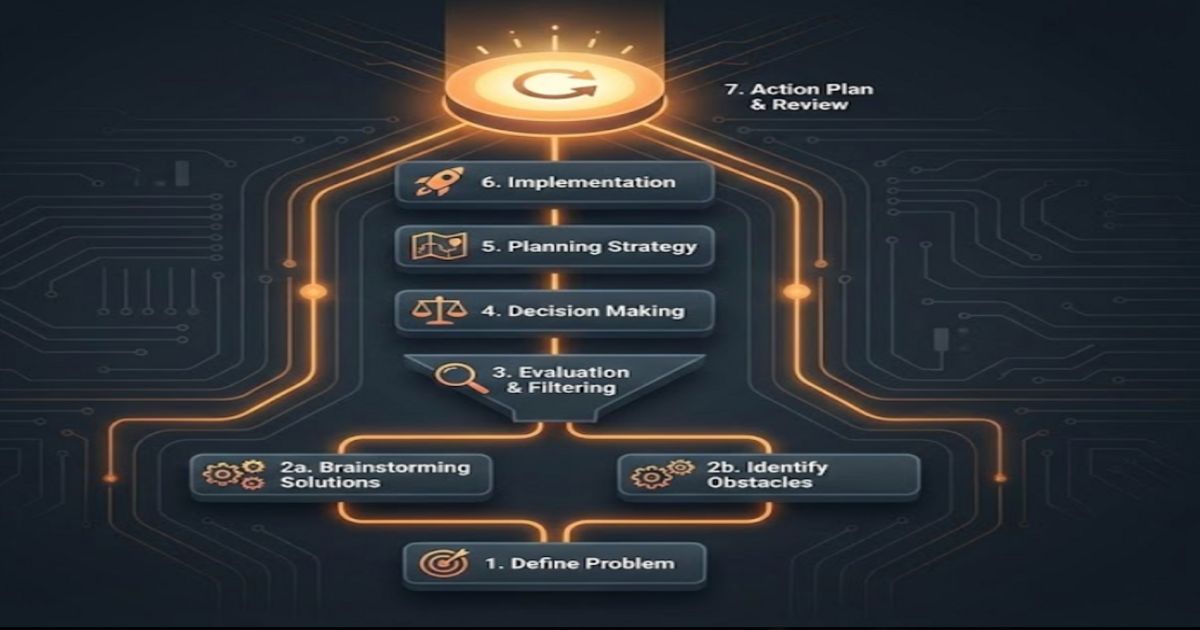
Cognitive Behavioral Therapy (CBT) Problem Solving Mechanism
TL;DR: CBT's structured problem-solving approach empowers individuals to tackle overwhelming challenges through a sequential, five-stage process.
The Cognitive Behavioral Therapy (CBT) Problem Solving Mechanism is designed to address the myth that problems are insurmountable. By breaking down the problem-solving process into manageable stages, CBT provides a clear pathway to resolution.
📌 Problems become tractable when defined and contextualized, allowing individuals to localize the issue and understand its boundaries.
📌 Divergent thinking enables the generation of multiple potential solutions, which can then be prioritized based on feasibility and impact.
The CBT mechanism employs a critical evaluation phase to assess the viability of proposed solutions, leveraging cognitive reappraisal to reframe potential pitfalls as opportunities for growth, much like optimizing a function to achieve a maximum .
📌 A Specific, Measurable, Achievable, Relevant, and Time-bound (SMART) action plan is crucial for operationalizing the chosen solution, ensuring a concrete and actionable approach.
By adopting this structured problem-solving approach, individuals can develop a sense of agency and control over their challenges, ultimately leading to more effective problem resolution.