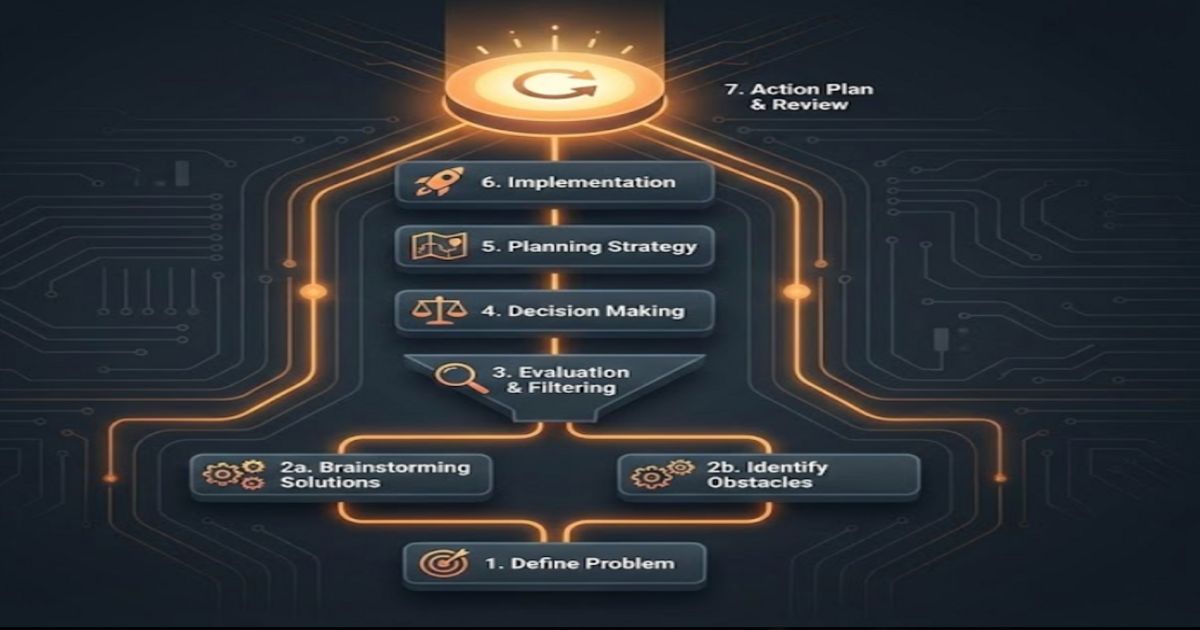
Deconstructing Procrastination: A Behavioral Systems Approach

Deconstructing Procrastination: A Behavioral Systems Approach
Procrastination is often misconstrued as laziness, but it's a complex interplay of psychological factors. Understanding its mechanisms can help in developing effective countermeasures.
Deep Dive
📌 Emotional Avoidance: Procrastination often stems from avoiding negative emotions associated with a task, such as anxiety or frustration. This avoidance triggers a temporary relief, reinforcing the procrastination behavior.
The brain's reward system is hijacked by the immediate gratification of avoiding a task, exemplified by the equation $$Reward = \frac{1}{Delay}$$, where the value of the reward is inversely proportional to the delay.
📌 Temporal Discounting: The tendency to discount future rewards in favor of immediate gratification contributes to procrastination. This bias leads to prioritizing short-term relief over long-term benefits.
The $$Present\ Bias = \frac{1}{(1 + Discount\ Rate)^{Time}}$$ formula illustrates how future rewards are devalued, making it harder to start tasks with delayed rewards.
📌 Flawlessness Standards: Self-imposed standards of perfection can lead to procrastination by making the task seem insurmountable. This perfectionism creates an unrealistic expectation, fostering a fear of failure.
Breaking down tasks into manageable components can help mitigate this effect, much like decomposing a complex system into smaller, more tractable subsystems.
By understanding the complex mechanisms behind procrastination, we can develop targeted strategies to overcome it. This involves addressing emotional avoidance, temporal discounting, and perfectionism.
https://neuroviaxacademy.com/overcoming-procrastination/