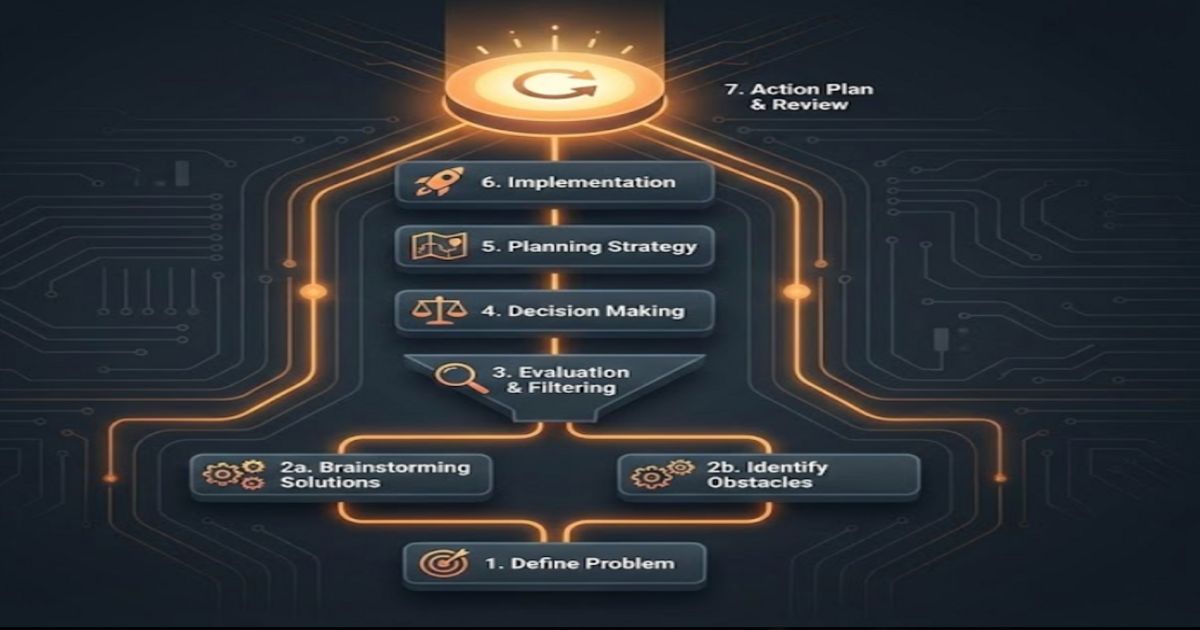
Cognitive Behavioral Therapy Thought Record Mechanism Under Scrutiny

Cognitive Behavioral Therapy Thought Record Mechanism Under Scrutiny
The CBT Thought Record is a structured tool designed to facilitate cognitive restructuring and emotional regulation. It operates on the premise that by analyzing and modifying distorted or unhelpful thinking patterns, individuals can achieve lasting behavioral change.
Deep Dive
The CBT Thought Record implements a six-step cognitive analysis and restructuring algorithm, enhancing the user's understanding of their cognitive, emotional, and behavioral interrelations.
📌 Cognitive Friction: The Thought Record acts as a catalyst for cognitive friction, $$F_c = \mu_c \times P$$, where $$F_c$$ represents the cognitive friction, $$\mu_c$$ is the coefficient of cognitive resistance, and $$P$$ is the individual's predisposition to change.
By systematically recording and analyzing thoughts, emotions, and behaviors, users can identify patterns of cognitive distortions and restructure them to achieve a more balanced perspective.
📌 Homeostatic Balance: The CBT Thought Record aims to restore homeostatic balance to the individual's cognitive and emotional processes, $$H = \frac{1}{1 + e^{-(\text{cognitive restructuring})}$$, where $$H$$ represents the homeostatic balance.
The effectiveness of the CBT Thought Record depends on various factors, including the individual's level of engagement, the presence of external influences, and the complexity of their psychological profile.
📌 ROI on Self-Reflection: The CBT Thought Record can be seen as an investment in self-reflection, yielding a return on investment (ROI) in terms of improved mental health outcomes, $$\text{ROI} = \frac{\text{benefits} - \text{costs}}{\text{costs}}$$.
To maximize the benefits of the CBT Thought Record, it is essential to consider the multifaceted nature of human psychology and external influences.
https://neuroviaxacademy.com/tools/thought-record.html